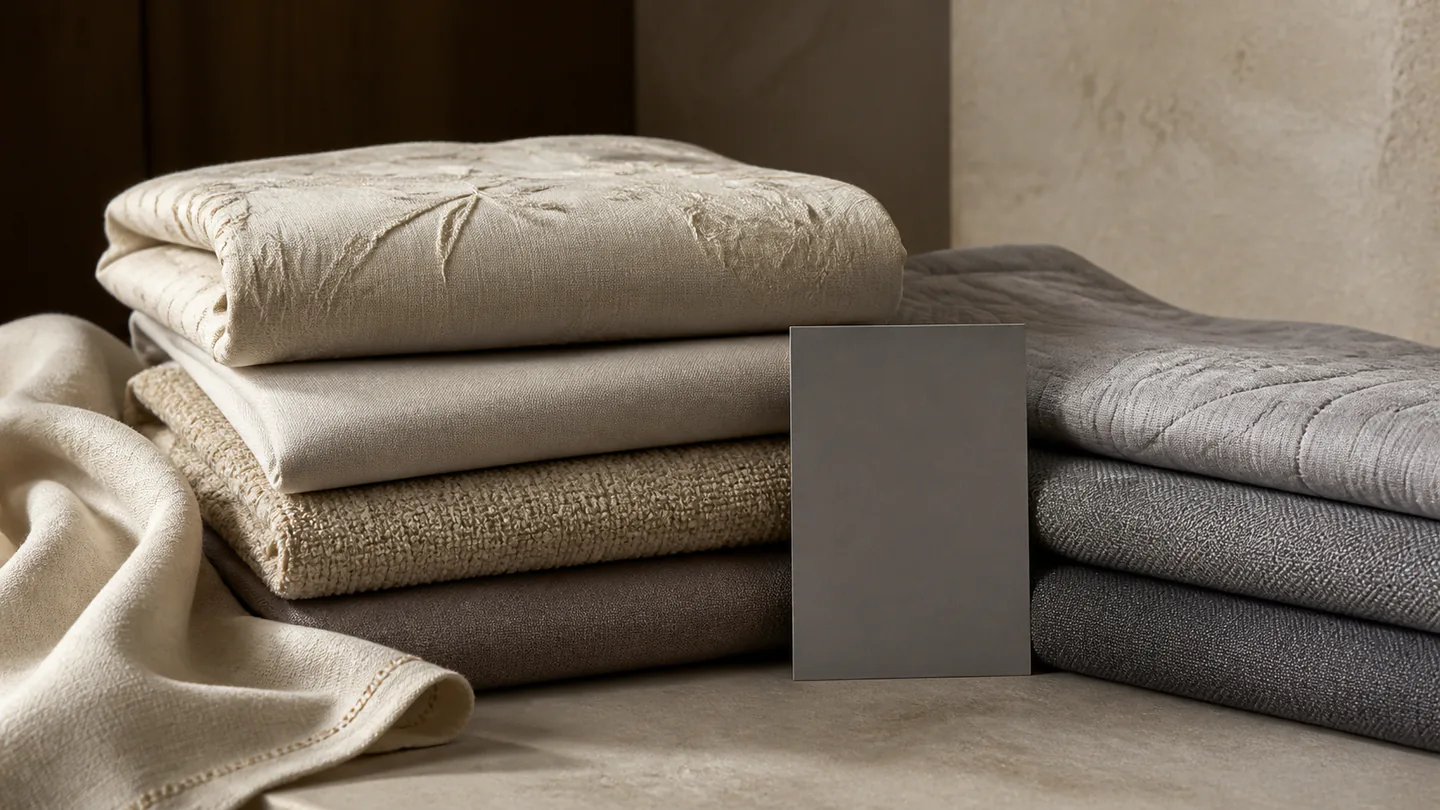
White and low-contrast hotel bedding can lose the boundaries between sheets, duvet covers, pillowcases and inserts if the image is simply made brighter. Confirm the actual sale contents before planning the layers and details.
Make outlines, folds, binding, weave and component relationships visible without losing highlight detail. A guestroom scene explains use; a clean-background or flat-lay image explains the sale item.
Start with the product: Hotel bedding and hospitality linen
Make outlines, folds, binding, weave and component relationships visible without losing highlight detail. A guestroom scene explains use; a clean-background or flat-lay image explains the sale item.
Identify the actual sale item, product name, style code and intended page position before choosing white-background, flat lay, room or detail views. Base the shot count on product differences and information needs rather than copying a standard package.
Give each image a specific job
One image rarely explains shape, construction and use equally well. Separate the shots by task so the team can check each requirement during capture and delivery review.
| Image task | What it should explain | What to check |
|---|---|---|
| Complete set | Actual sheets, covers, pillowcases and other included pieces | Match names and quantities to procurement information |
| White-on-white separation | Boundaries and arrangement of the components | Retain highlight texture rather than overexposing |
| Construction detail | Visible binding, weave and fasteners | Do not infer thread count or fiber composition |
| Guestroom scene | Bed arrangement and relationship with the room | Exclude furniture and styling from sale contents |
Map the image pack to procurement and catalog decisions
Convert the procurement brief into a use-specific image pack before capture. Each frame should help the buyer identify the supplied sample or place verified information into a tender or catalog; the photography records visible condition and does not certify hospitality conformity.
| Buyer task | Images to prepare | Facts supplied from product or procurement records |
|---|---|---|
| Component identification | Separated component views plus one grouped set view with props excluded | Approved item names, style codes, included quantities and set hierarchy |
| White-on-white separation | Full views, edge views and texture details with boundaries retained in the highlights | Approved color names, finish descriptions and any reference-standard values |
| Tender or catalog layout | Consistent neutral views, front and reverse frames, construction details and crop-safe versions | Dimensions, thread count, density, fiber content, grade, certification and tender fields |
| Room context | A made-bed or guestroom frame showing the sample's visible relationship to the setting | Room or bed compatibility, intended deployment and quantities required by the buyer |
| Label and packaging evidence | Readable supplied labels, package faces, pack arrangement and visible codes when included in scope | Pack count, care instructions, traceability, compliance status and final purchasing acceptance |
Confirm the product information before shooting
Images must match the real sample, style code and approved product information. Ask the brand to supply and approve dimensions, fiber content, filling, weight, functions, certifications, care and intended-use statements. Do not infer them from the photograph.
Thread count, density, wash-cycle durability, grade, fiber content and conformity to hotel purchasing standards cannot be proved by a photograph. Use traceable product and procurement information.
- Sales or procurement product name
- Actual components and quantities
- Colors, patterns and weaves
- Approved dimensions and construction facts
- White-background, catalog, tender or room-scene use
Connect main images, details and use scenes
A main image establishes product identity. Product-page images can add construction, close-ups, components and confirmed specifications. Room scenes explain space or use, but do not replace clear views of the sale item. Plan safe crop space for landscape, portrait and square uses before capture.
Old Money Visual is based in the Nantong Haimen home-textile district in Jiangsu, China. Buyers sourcing in China can discuss a sample-based shoot before arranging their overseas inventory shipment separately. Confirm the actual settings, shot count, post-production, timing and usage scope for the project.