Choose by the information the image must carry
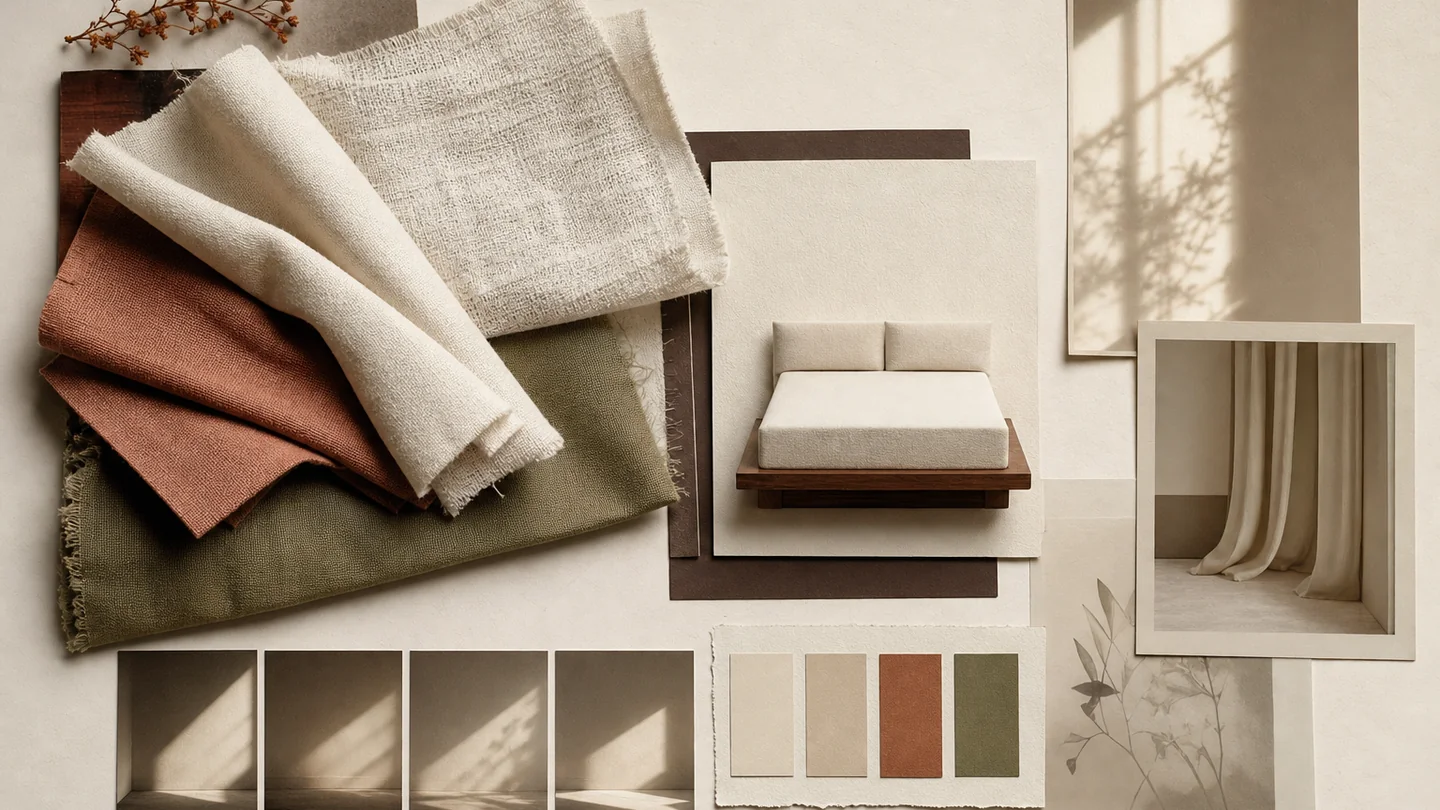
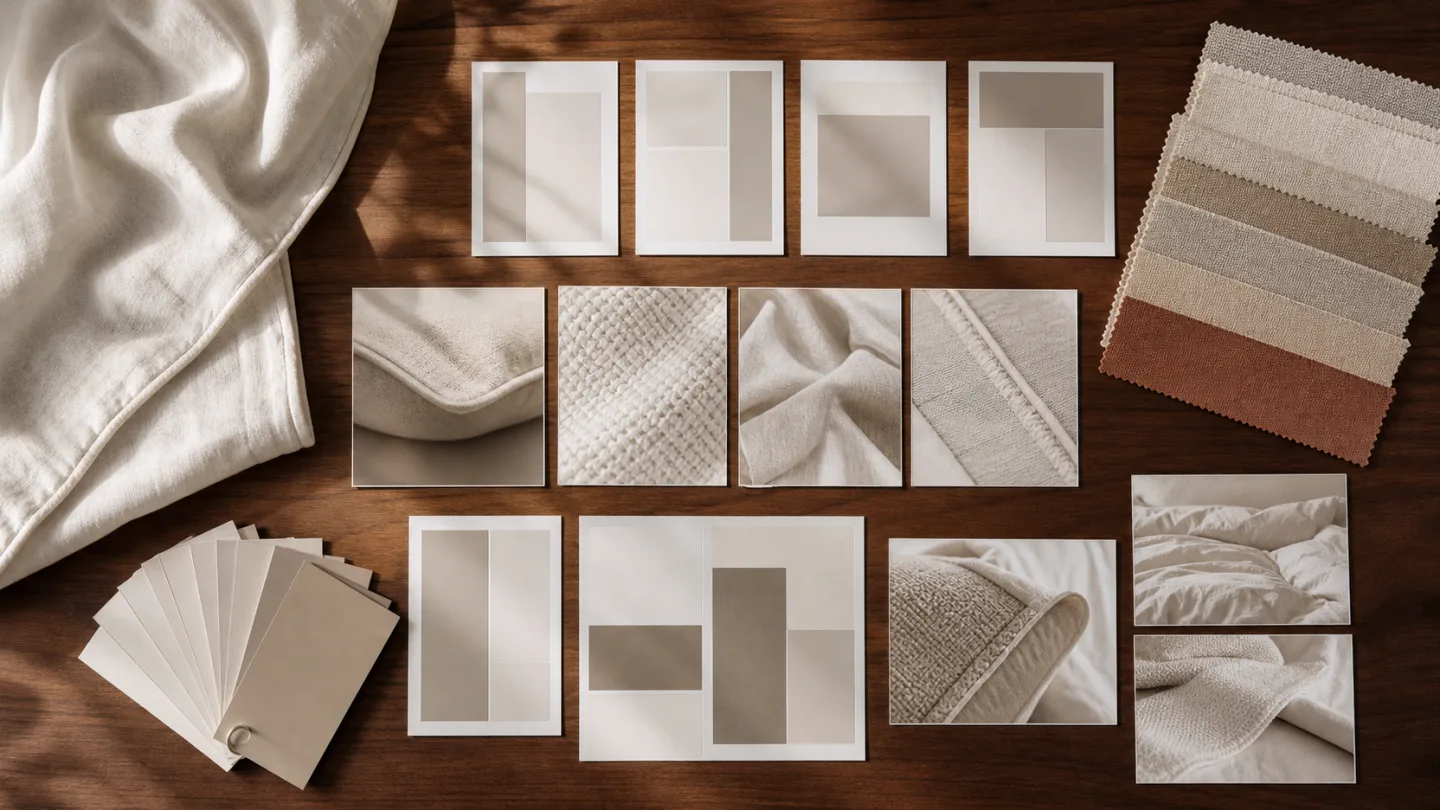
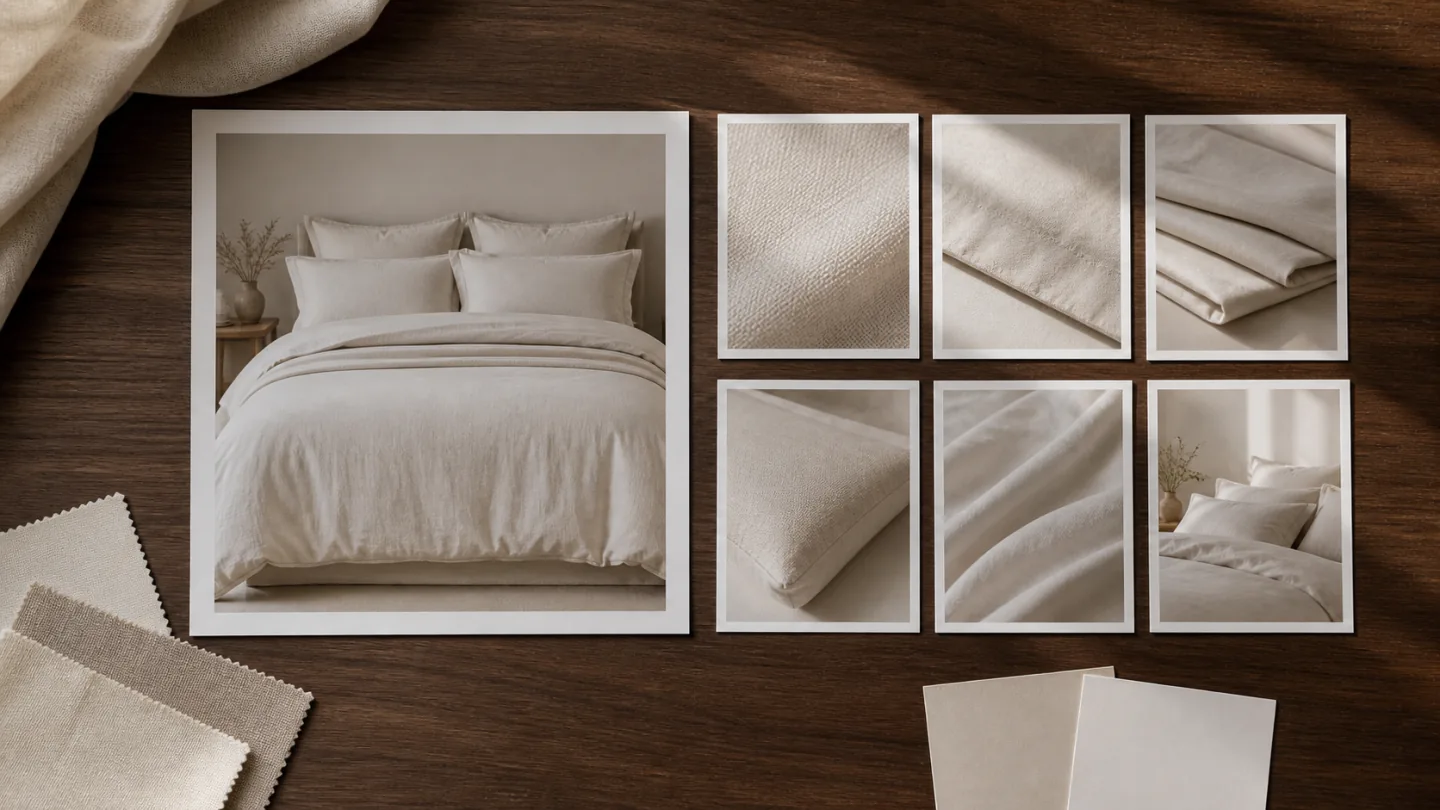
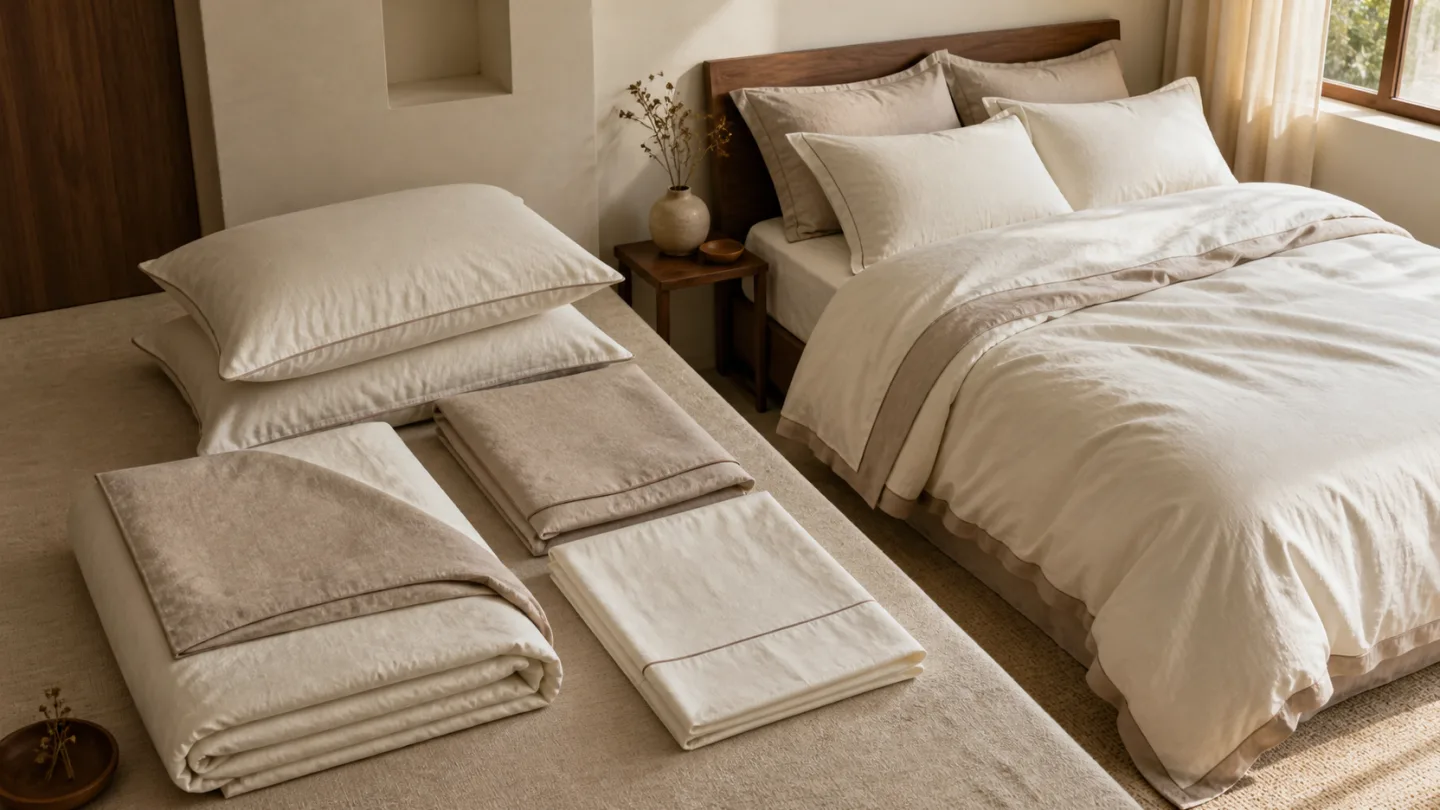
Flat lays can explain set contents, pattern relationships and the whole product. A restrained studio view draws attention to shape, color and details. A furnished scene provides context, use and brand atmosphere.
These methods are often combined on one product page. The question is which buyer uncertainty each image resolves, rather than which technique looks more expensive.
| Buyer question | Useful starting method | Evidence or preparation | What the method does not settle |
|---|---|---|---|
| What pieces are included? | Flat lay or controlled component view | Approved sale list and labelled physical pieces | A styled grouping does not define another SKU's contents |
| What is the shape or visible construction? | Controlled studio view | Identified sample, required angles and detail list | Appearance does not prove dimensions, materials or performance |
| How does the product sit in a room? | Lifestyle scene | Intended setting, product state and clearly separated props | The room does not establish what is included in the sale |
| How should buyers compare variants? | Repeatable flat lay or studio setup | SKU and color map with comparable framing and lighting | A digital recolor is not evidence of an unphotographed variant |
| What should lead a campaign or collection page? | Lifestyle or editorial scene supported by clear product views | Approved visual direction and planned crop areas | Atmosphere cannot replace product identification |
Flat lay: make the product and its parts understandable
Reducing room elements makes it easier to show components, pattern placement, edges and construction. Agree how the product will be unfolded and grouped, and whether the frame needs space for text or cropping.
For multiple colors or patterns, establish consistent camera positions and arranging standards so the images can be compared. Do not let an attractive arrangement obscure which pieces are actually included.
Consider a duvet cover with a placement print: a flat view can explain where the motif sits across the complete cover, while a bed scene may hide part of it under the fold. If the buyer needs both pattern layout and room context, plan two views instead of stretching the visible motif in post-production. For an all-over repeat, choose a full view and a closer area that lets the buyer connect the repeat to the same sample. These are planning situations, not a record of a client project. The pattern requirement determines whether a second method is useful, not a rule to buy every setup.
Studio views: control the amount of information
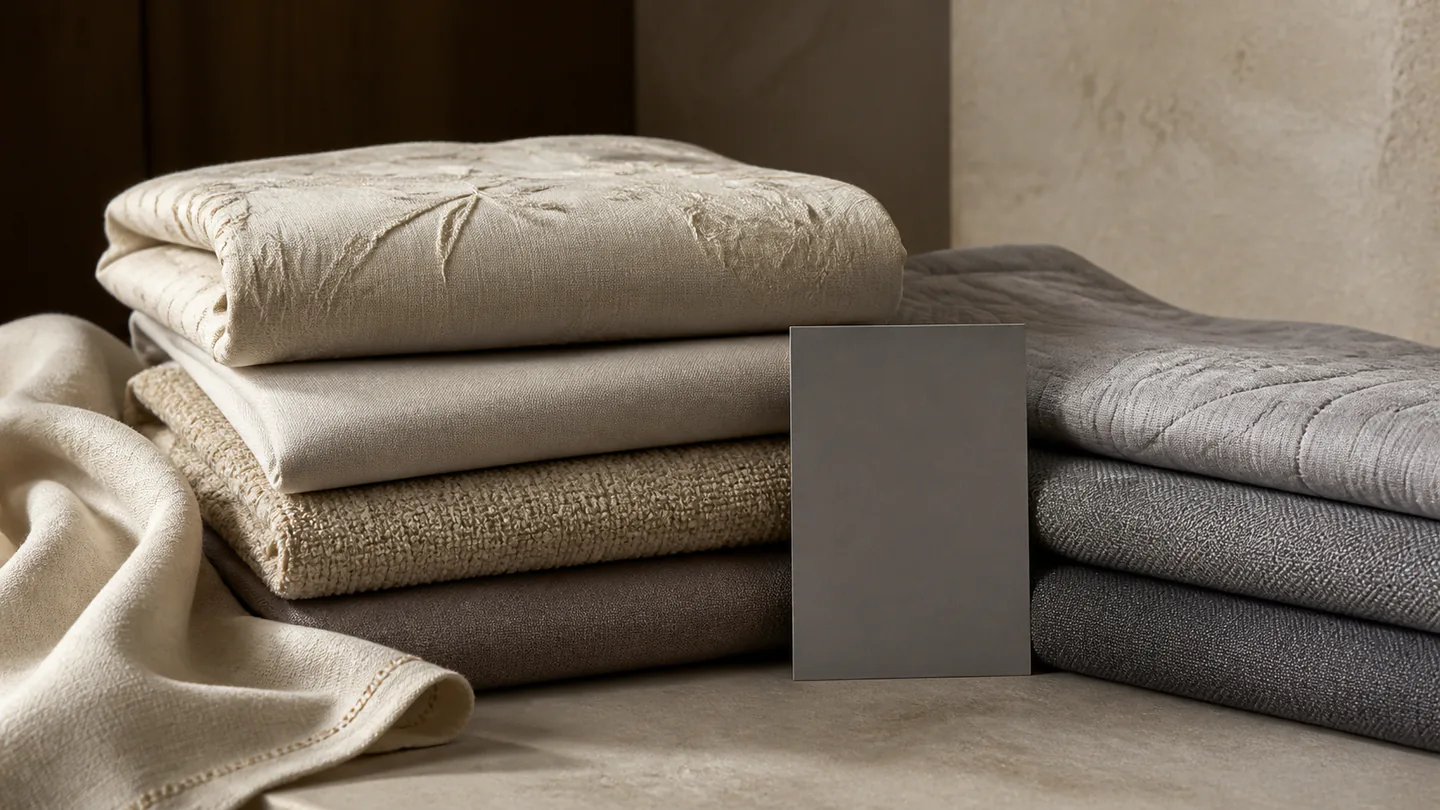
A simple background, selective props and controlled lighting can emphasize silhouette, visible loft, texture and construction. This approach helps establish a consistent series and supplies useful listing and detail-page images.
Decide the background, groupings, props and any human presence according to the intended placement. Studio photography is not a requirement to use one template for every item.
Lifestyle scenes: show the relationship with a room
A room scene coordinates the bed, surrounding space, light, props and textile. It can serve a collection introduction or lifestyle story, but needs careful control so the environment does not overpower the product.
Begin with the product color, pattern, audience and channel, then discuss the setting. Confirm the available scene for the project; a reference or concept image does not establish that a particular set is available.
Approve each image role instead of approving a mood alone
Write the intended role beside every planned frame: identify the sale item, compare variants, explain construction, show context or create a campaign lead. The visual approver can then accept the composition while the product owner separately confirms sample identity, included pieces and any facts used beside the image.
If a proposed crop removes a component, hides an edge or makes a prop look included, record a separate correction for that placement. Approval of one lifestyle frame should not silently approve every crop, SKU or supporting detail image.
- One named information job for each image
- Sample and SKU recorded on the proof
- Props separated from sale contents
- Required crops checked before release
- Visual approval kept separate from product-fact approval
Put this guide into a production plan
Confirm the actual scope from your samples, channels and accuracy requirements; these services are not automatically bundled.