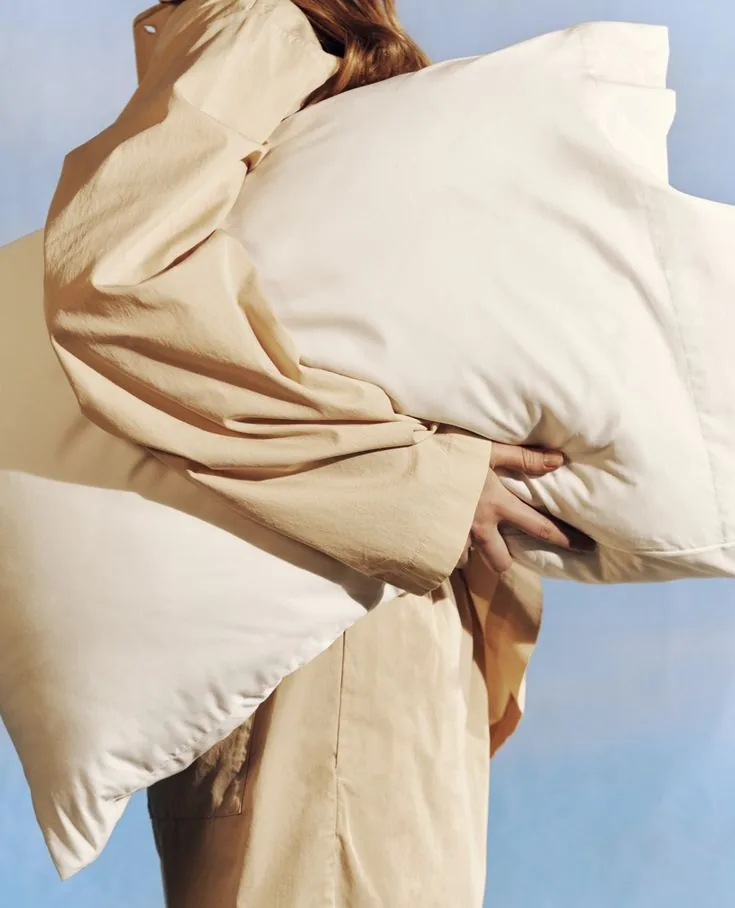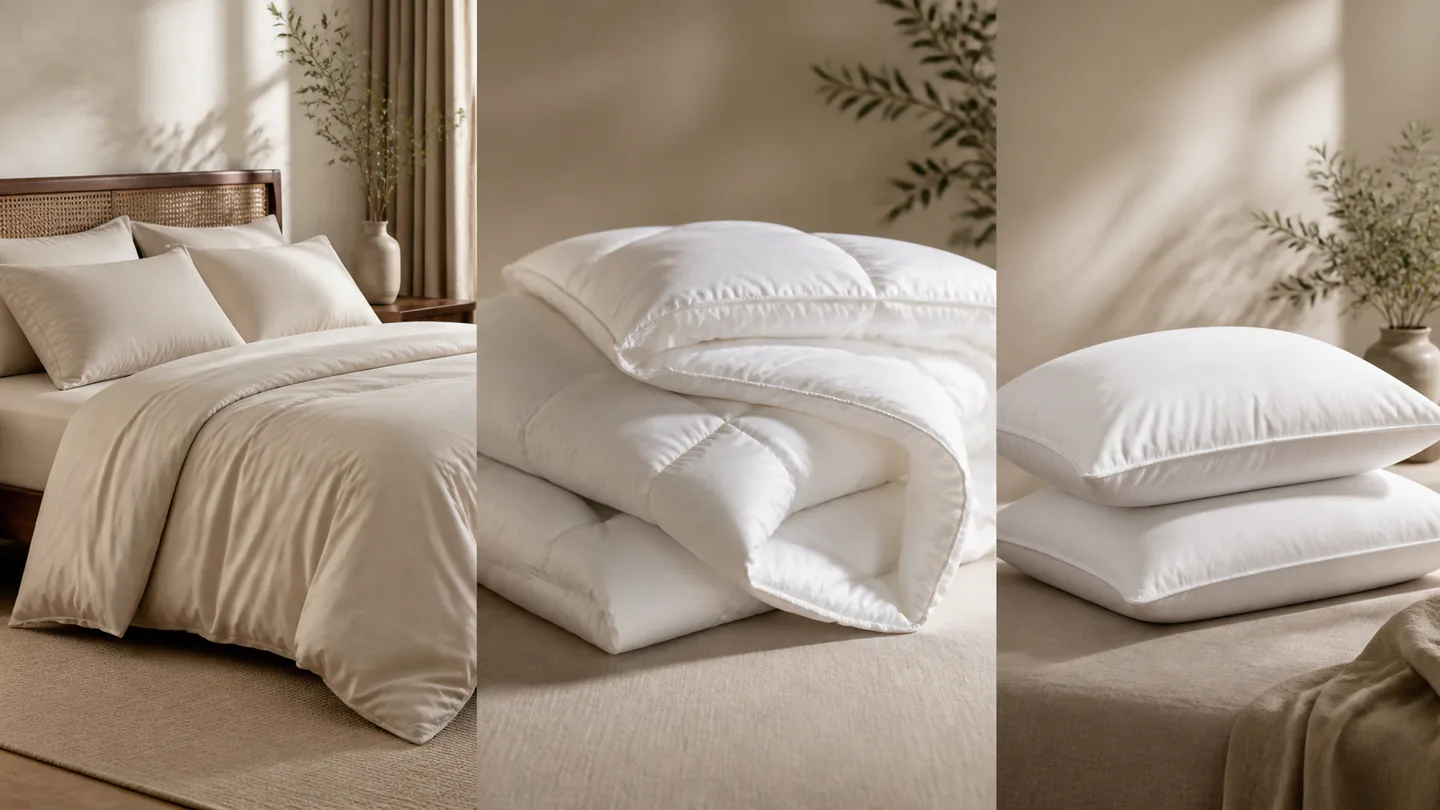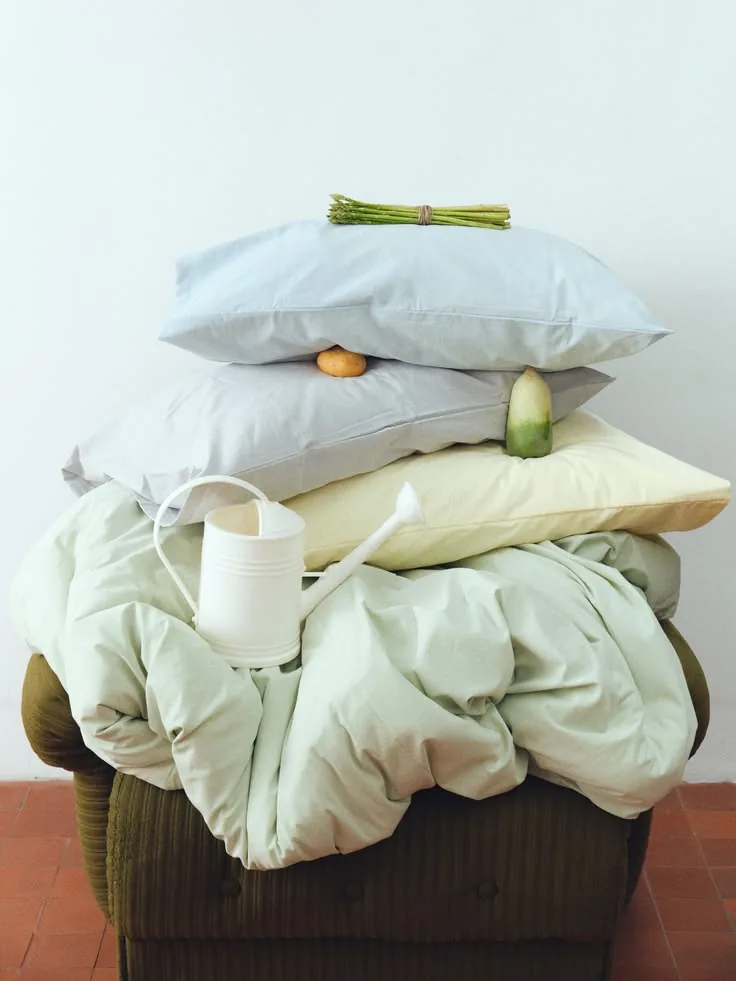
This guide covers finished pillows, including shaped or function-oriented products, memory-foam pillows and decorative cushions. A shaped pillow may need orientation and construction views; a memory-foam product needs a clear natural contour and approved material information; a cushion needs shape, pattern, fabric and styling views.
Separate pillow inserts use their own guide. Pillowcases are handled with bedding components here so that sale contents and pattern relationships remain clear.
These are visible image tasks. Photography does not replace product testing, specifications or review of the claims proposed for a sales page.
Start by identifying the pillow type
A shaped pillow may need orientation, zones or actual structural details. A memory-foam pillow needs its natural curve and profile. A decorative cushion needs shape, pattern, surface, edges and coordination. Confirm the product facts before turning them into selling points.
A single front view rarely explains height, outline and construction together. Record product type, buyer question and sample state on the same shot-list row so an atmospheric scene does not hide the information.
| Product or task | What the image explains | Confirm before shooting |
|---|---|---|
| Shaped or functional pillow | Natural form, orientation and confirmed structure | Structure names, front and reverse, approved claims |
| Memory-foam pillow | Curve, profile height, edges and surface | Material, dimensions and supported product information |
| Decorative cushion | Shape, pattern, fabric, edging and coordination | Dimensions, pattern direction and whether an insert is included |
| Clean-background view | Full outline, color and product identity | Channel ratio, crop and sale contents |
| Use scene | Scale and relationship with a bed, sofa or room | Target setting, prop boundaries and text space |
Separate the complete shape from the profile and details
Use a complete front or oblique view to establish the shape, then a profile to show natural height, curves and edges. Add close-ups of real zones, grooves, binding, zippers or visible construction after confirming their names and relevance. Do not create a feature through positioning or retouching.
For an asymmetric pillow, mark the intended head end and the photographed face on a sample diagram before changing angles. Keep those marks in the proof notes, outside the finished image. If a profile appears reversed beside the front view, compare the sample diagram before requesting a digital flip: a flip can also reverse a logo, seam or closure. Ask for the corresponding physical orientation to be photographed when the existing view cannot show it accurately. The diagram identifies direction; any dimensions or ergonomic descriptions still need approved product information.
Bedding, another cushion or a person can obscure the subject in a scene. Include an unobstructed product view so the buyer can judge form and color independently. If showing compressed and unpacked states, identify each actual condition.
- Complete front or oblique view
- Natural profile height and curves
- Edges, binding and stitching
- Confirmed zones or visible construction
- Material and pattern close-ups
- Unobstructed product-identification image
Treat demonstrations as observations, not proof of benefits
A camera can record real compression, placement and recovery, but a photograph alone cannot establish support, neck protection, sleep improvement, correction, antibacterial performance or other health effects. Plan a demonstration only when it is relevant to the real product, supported by the supplied information and useful for the channel.
Do not raise the profile, deepen a groove or reshape a curve in post-production to suggest a stronger function. The brand must confirm material names, test conclusions, intended users and proposed claims. Photography should make the actual state clear.
Show a cushion as a product before styling the room
Photograph the shape, pattern orientation, color, edging and surface before placing the cushion on a sofa or bed. An individual clean view supports recognition; a group can explain scale and palette. Separate those purposes instead of adding every prop to one image.
Confirm whether an insert is included, whether the cover is removable and whether the reverse shares the same pattern. If only the cover is sold, a filled styling view must not silently imply an included insert.
- Complete individual product
- Front, reverse and pattern direction
- Fabric and edge close-ups
- Group scale and color relationships
- A relevant use scene
- Accurate statement of insert inclusion
Build a product-specific shot list
For each style, record type, color, dimensions, construction, approved features and channels. Allocate images to recognition, profile, structure, surface and use. Do not use a single generic list simply because all the items are called pillows.
Old Money Visual supports sample-based projects. Confirm the receiving address, timing, carton count, sample condition, handling and return arrangements before shipment. Image count, settings, actions, retouching and delivery dates are agreed for the project.
- Product type and style code
- Color, dimensions and orientation
- Approved construction and feature information
- White-background, scene, detail and content uses
- Whether a demonstration is necessary and supported
- Sample receipt, handling and return arrangements
Put this guide into a production plan
Confirm the actual scope from your samples, channels and accuracy requirements; these services are not automatically bundled.
Sources and further reading
These sources provide context for the claims or channel requirements discussed here. Review current requirements alongside your product information and project agreement.
- MIIT: E-Commerce Law of the People’s Republic of China ↗Chinese official reference on accurate product information. Appearance, components, material and functional wording must remain tied to the actual product.